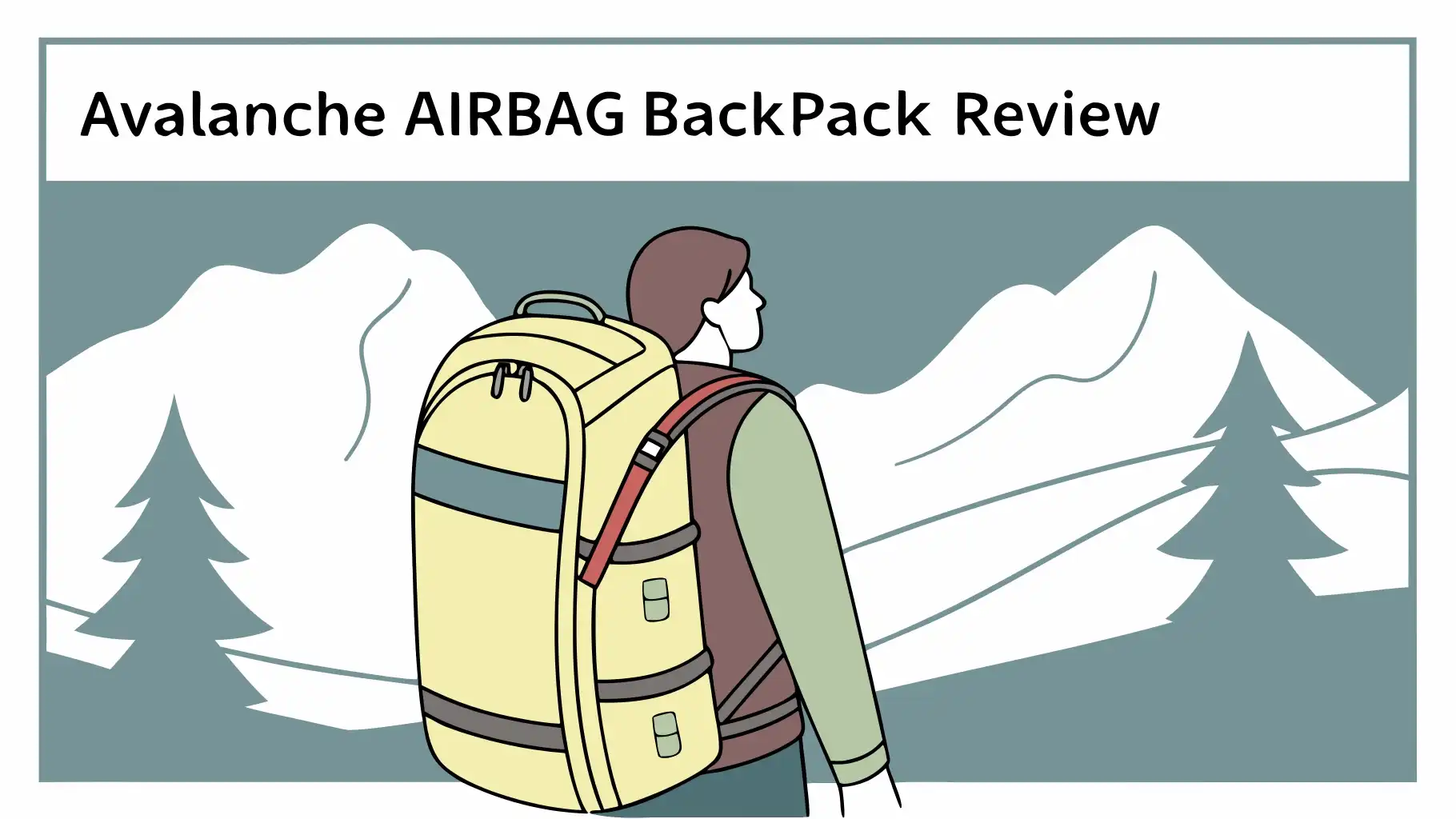
Avalanche Airbag Backpack Review: Worth The Hype?
You love backcountry skiing. You live for powder days. But are you truly prepared for what the mountains can throw at you?
Avalanche airbag backpacks have changed everything about backcountry safety. These remarkable devices can mean the difference between life and death when an avalanche strikes.
This guide explores everything you need to know about avalanche airbag backpacks. We examine how they work, what makes them effective, and which models offer the best protection.
Key Takeaways
- Avalanche airbag backpacks increase survival rates by keeping you near the surface during an avalanche, reducing burial depth and improving rescue chances by up to 50% in slides size 2 or larger
- Two main airbag systems exist: compressed air canisters (traditional, reliable, faster inflation) and electric fan systems (rechargeable, multiple deployments, easier air travel)
- Weight matters for touring: Modern airbag packs range from 3.8 to 7 pounds, with lighter electric systems becoming increasingly popular without sacrificing protection
- Proper fit is critical: Measure your torso length (15-20+ inches) and choose accordingly—a poorly fitting airbag won’t deploy properly and creates dangerous comfort issues during long tours
- Volume varies by mission type: 15-25L packs suit sidecountry and short tours, 28-32L handles full-day backcountry adventures, while 40-45L accommodates hut trips and multi-day expeditions
Understanding Avalanche Airbag Technology
Avalanche airbag backpacks work on a simple principle. They use the Brazil nut effect. This physics phenomenon explains why larger objects rise to the top when a mixture gets shaken.
The airbag inflates within three seconds of pulling the trigger. This creates a large volume around your body. The avalanche debris flows around you. You stay closer to the surface instead of getting buried deep.
Traditional systems use compressed air canisters. These store pressurized gas that rapidly fills the airbag. The inflation happens fast. You get maximum volume quickly. However, you must refill the canister after each deployment.
Electric fan systems represent newer technology. They use rechargeable batteries to power a fan. The fan draws in surrounding air and inflates the bag. These systems allow multiple deployments on one charge. You can practice pulling the trigger without expensive refills.

- Electronic Avalanche Airbag Pack - Powered by the Alpride E2 supercapacitor System
- Available in the slim 25-Liter storage capacity pack, or the full fledged 35-Liter...
Last update on 2026-08-10 / Affiliate links / Images from Amazon Product Advertising API
Why Every Backcountry Skier Needs an Airbag
Statistics tell a powerful story. Avalanche airbags prevent approximately 50% of fatalities in avalanches size 2 or larger. These numbers come from extensive field research and real-world incidents.
Three main benefits make airbags essential. First, they reduce burial depth significantly. Staying closer to the surface means faster rescue times. Second, the airbag provides trauma protection. It cushions impacts against rocks and trees. Third, some systems now include air supply features that extend survival time if you do get buried.
Peace of mind matters too. Many experienced backcountry travelers report feeling more confident with an airbag. This confidence doesn’t replace good decision-making. It complements proper avalanche education and careful terrain selection.
The technology has improved dramatically. Modern airbag packs weigh less than six pounds in most cases. They pack comfortably. You barely notice them on the uphill. This means you’re more likely to actually wear one every time you venture into avalanche terrain.
Ortovox LiTRIC Freeride: Premium Performance
The Ortovox LiTRIC Freeride 28L earns top marks from expert testers. This pack combines cutting-edge airbag technology with thoughtful design features.
Weight: 5.6 pounds
Volume: 28 liters
System: LiTRIC electric fan
The LiTRIC system sits near the pack top. You access it easily. A simple power button turns it on. No complicated knobs or switches. The trigger handle rotates quickly from locked to loaded position.
Comfort stands out immediately. The hip belt and integrated leg loop fit exceptionally well. Testers praised how comfortable this pack feels during long climbs. The downhill performance impressed equally. The pack stays stable when you’re charging through powder.
The avalanche rescue gear pocket offers generous space. You reach it from the pack exterior. Your shovel and probe stay organized and accessible. Double ice axe carry stows away cleanly. The helmet carry shares a convenient pocket with ski carry options.
Minor drawbacks include the lack of hip belt pockets. Some users miss quick access to snacks and small tools. The pack lacks A-frame ski carry for dry approaches. Adjustment straps run long on smaller users.

- Avalanche Airbag Powered by the Alpride Supercapacitor Engine and 2 AA Batteries
- BC Link Radio Compatible
Last update on 2026-08-11 / Affiliate links / Images from Amazon Product Advertising API
BCA Float E2 Series: American Innovation
Backcountry Access revolutionized airbag technology with their Float system. The E2 series represents their latest evolution. These packs use the Alpride E2 electric system.
The Float E2 25L targets mechanized skiing. It works perfectly for heli-skiing, cat skiing, and snowmobile access. The vest-like shoulder straps distribute weight beautifully. You feel like you’re wearing a comfortable harness rather than a bulky pack.
BCA built this pack tough. The exterior fabric withstands harsh treatment. You can toss it in helicopter baskets. It survives chairlift rides without issue. The durability impresses professional guides and patrollers.
A side stash pocket provides genius convenience. You grab your water bottle or skins without removing the pack. This feature shines during quick transitions. The hip belt and leg loop carabiner attachment work together smoothly.
The 25-liter capacity suits shorter tours. For longer adventures, BCA offers 35 and 45-liter versions. The Float E2-45 accommodates multi-day trips and heavy gear loads. It includes a roll-top closure and side access zipper.
Top 3 Alternatives for Avalanche Airbag Backpacks

- Mid-sized airbag pack designed for any out of bounds adventure
- 150-liter airbag deploys in seconds for peace of mind
Last update on 2026-08-11 / Affiliate links / Images from Amazon Product Advertising API

- Airbag pack designed for navigating avalanche terrain
- Compressed air deploys large airbag in the event of a slide
Last update on 2026-08-10 / Affiliate links / Images from Amazon Product Advertising API

- Material: [face fabric] 330D mini ripstop nylon, PU coating, [reinforcement] 420D...
- Volume: 15L (915cu in)
Last update on 2026-08-10 / Affiliate links / Images from Amazon Product Advertising API
ARVA Switch System: Modular Versatility
The ARVA Switch Ride brings modularity to avalanche airbags. You get two packs in one system. The 18-liter Ride module suits quick missions. The 32-liter Tour module handles longer days.
Switching between modules takes seconds. You simply unzip one pack and attach another. The base airbag unit stays constant. This design saves money compared to buying multiple complete packs.
Carbon canister technology cuts significant weight. The canister sits along your spine. This central position distributes weight ideally. You barely feel it during descents.
Organization impresses in both modules. Each pack includes well-designed pockets and compartments. The rescue gear stays accessible. Ski carry options work smoothly.
The hip belt presents some challenges. Adjustment proves tricky when wearing the pack. It sometimes sits lopsided. The helmet carry runs small. Even compact ski mountaineering helmets barely fit.
Value proposition matters here. You get two different pack sizes for one price. The carbon canister option makes this system lightweight. For skiers who vary their tour lengths, this modularity makes perfect sense.
Electric vs Canister Systems: Making the Choice
Two distinct technologies power avalanche airbags. Each offers specific advantages. Your choice depends on usage patterns and priorities.
Compressed air canisters provide traditional reliability. They inflate the bag incredibly fast. Temperature doesn’t affect performance significantly. You don’t worry about battery life or charging.
However, canisters add weight and bulk. Steel canisters especially feel heavy. You must refill them after every deployment. Air travel requires special arrangements. Many airlines restrict compressed gas cylinders.
Electric fan systems have transformed the market. They recharge via USB. You get multiple deployments per charge. The Alpride E2 system offers four deployments. The Ortovox LiTRIC provides two full inflations.
Electric systems travel easily on airplanes. You don’t need refill stations at your destination. The batteries last 15 to 30 hours on a single charge. Some systems work up to three months with backup AA batteries.
Size matters too. Electric systems pack more compactly than canisters. This leaves more usable space inside your pack. You carry gear more efficiently.
Consider your typical use. Frequent travelers benefit from electric systems. Those skiing locally near refill stations might prefer canisters. Budget conscious buyers often choose canisters initially. They cost less upfront despite refill expenses.
Arc’teryx Micon LiTRIC: Ultralight Champion
The Arc’teryx Micon LiTRIC 32 claims the title of lightest fully-featured avalanche airbag. It weighs just 4.38 pounds. This collaboration between Arc’teryx and Ortovox produces remarkable results.
The ultracapacitor technology deserves credit. This system stores electrical energy efficiently. It deploys quickly and recharges fast. The compact design doesn’t sacrifice pack volume.
Testers report genuinely having 32 liters of usable space. The airbag components tuck away efficiently. You don’t constantly work around the safety system. Your gear fits naturally.
Multiple access points enhance usability. Top loading works for general packing. The side zipper reaches your avalanche tools quickly. One tester praised this feature during steep bootpacks. He accessed his shovel and probe without removing the pack or disturbing his snowboard straps.
The minimalist design philosophy shows throughout. Arc’teryx eliminated unnecessary features. What remains serves a clear purpose. This approach reduces weight while maintaining functionality.
Premium quality comes at a premium price. The Micon LiTRIC costs more than many competitors. For weight-conscious ski mountaineers, that investment makes sense. Every ounce matters on big vertical days.
Scott Patrol E2: Touring Excellence
The Scott Patrol E2 30L focuses on human-powered adventures. This pack excels during long skin tracks and technical ski mountaineering missions.
Versatile carry systems accommodate different objectives. A-frame and diagonal ski carry both work well. The pack holds two ice tools securely. You can attach a rope for exposed ridgelines. Helmet carry mounts on back or top depending on preference.
The Alpride E2 fan system inflates quickly. It recharges in under 25 minutes. The system weighs 25% less than previous versions. It also occupies 40% less space. These improvements matter during extended tours.
Thirty liters provides ample capacity. You fit everything needed for full backcountry days. The pack even works for hut-to-hut traverses when you pack efficiently. The interior organizes well despite the clamshell design.
Hip belt issues create frustration. The buckle sticks when snow gets inside. This happens frequently in mid-winter conditions. The belt proves nearly impossible to tighten while wearing the pack. It lacks the support of wider hip belts. The pack shifts during aggressive skiing.
The narrow design otherwise performs well. It moves naturally with your body. The sleek profile doesn’t catch on branches or rocks. For dedicated tourers who prioritize uphill efficiency, the Scott Patrol deserves consideration.
Women Specific Options: Osprey Sopris Pro
Women’s bodies have different proportions. Generic unisex packs rarely fit properly. The Osprey Sopris Pro 30 addresses this need specifically.
Torso length makes the biggest difference. The Sopris accommodates 14 to 19-inch torsos perfectly. The shoulder straps curve appropriately. The hip belt sits on hip bones rather than floating awkwardly. Small-framed skiers finally get proper fit.
Comfort features shine throughout. Padded straps feel plush without being bulky. The cushy hip belt distributes weight effectively. The back panel contours match feminine anatomy. Testers with chronic back pain reported zero discomfort during long days.
The Alpride E2 system charges easily. It lasts 15 to 30 hours per charge. Adding AA batteries extends that to three months. You deploy and repack it simply. The small supercapacitor and airbag leave plenty of interior room.
Build quality impresses immediately. Large zipper pulls work with gloved hands. Strong gear loops handle heavy ice tools. Durable buckles survived a full season of daily professional use. This pack withstands serious abuse.
Access options provide flexibility. Side-hinged U-zip entry avoids top-loading frustrations. You reach gear easily during transitions. The large avalanche tool pocket fits extra probes or long saws.
Multiple carry systems accommodate different sports. Choose diagonal or A-frame for skis. Use purpose-built straps for snowboards. Mount your helmet where it works best for you.
Understanding Pack Volumes and Capacities
Choosing the right volume matters enormously. Too small means leaving essential gear behind. Too large adds unnecessary weight and bulk.
15 to 25-liter packs suit specific missions. They work perfectly for sidecountry access. Chairlift-accessed terrain rarely requires much gear. Snowmobile trips often need only essentials. These compact packs move well during aggressive skiing.
The ARVA Mini 15+ exemplifies this category. It carries avalanche safety gear, water, snacks, and extra layers. You won’t fit overnight equipment or extensive photography gear. Know these limitations before buying.
28 to 32-liter packs handle most backcountry adventures. This range accommodates full-day tours comfortably. You carry standard safety equipment, adequate water, food, extra clothing, and emergency supplies. Most skiers find this sweet spot ideal.
Remember that airbag components consume internal space. A 30-liter airbag pack offers less usable volume than a 30-liter standard pack. Factor this into your decision.
40 to 45-liter packs target extended trips. Hut-to-hut traverses require extra clothing and personal items. Photography missions need camera equipment. Ski mountaineering routes demand rope, harness, and technical gear. These larger packs accommodate everything.
The BCA Float E2-45 shows what this volume enables. You pack sleeping bags, extra food, rope systems, and still have room. The weight increases correspondingly. Consider whether your typical adventures justify carrying the extra bulk.
Fit and Comfort Considerations
Proper fit determines everything about pack performance. An uncomfortable pack ruins your day. A poorly fitted airbag might not deploy correctly. Take fitting seriously.
Torso length provides the critical measurement. Find your C7 vertebra. This bone protrudes at the base of your neck. Measure down to your iliac crest. These hip bones form the top of your pelvis. The distance determines your torso length.
Extra small fits 15 to 16 inches. Small accommodates 16 to 17 inches. Medium handles 17 to 19 inches. Large works for 19 to 21 inches. Extra large fits over 21 inches.
Try packs at your local shop. Wear your typical touring layers. Adjust the shoulder straps first. The pack should sit comfortably on your shoulders. Then tighten the hip belt. It must rest on your iliac crest, not your waist.
The sternum strap connects next. Position it below your collarbones. You should breathe freely. Check the leg loop if included. It prevents the pack from riding up if the airbag deploys during a slide.
Load the pack with typical gear weight. Walk around the shop. Bend forward as if skinning uphill. Twist side to side. Jump up and down. The pack should feel stable and comfortable throughout.
Back panel design affects comfort significantly. Some use rigid frames. Others rely on flexible panels. Padding varies widely. Personal preference matters here. What works for others might not suit you.
Hip belt width and padding deserve attention. Narrow belts work for light loads. Wider belts distribute heavier weights better. Consider your typical pack weight when evaluating hip belts.
Travel Considerations and Airline Policies
Getting your airbag to destination mountains requires planning. Different systems face different restrictions.
Compressed air canisters create challenges. Most airlines classify them as hazardous materials. You typically must remove the canister before flying. Pack it separately or leave it home. Arrange refilling at your destination.
Some ski destinations offer canister refill services. Research this before booking trips. Remote locations might lack refill options. You could arrive unable to use your airbag.
Electric airbag systems travel much easier. Airlines generally allow them in checked baggage. The batteries qualify as personal electronic devices. Follow standard battery transport rules.
Check your airline’s specific policies. Rules vary between carriers. Some require advance notification. Others place restrictions on battery capacity. International flights sometimes have different rules than domestic.
TSA agents might question your pack. Be prepared to explain the technology. Knowing your system type helps. Carry manufacturer documentation if possible.
Destination considerations matter too. Will you have reliable electricity for charging? How cold will temperatures get? Extreme cold affects battery performance. Plan accordingly for Arctic or high-altitude trips.
Maintenance and Care Requirements
Your airbag represents a significant investment. Proper care extends its lifespan. Neglect risks equipment failure when you need it most.
Electric systems require regular charging. Don’t store them completely discharged. Charge to 50% or 60% for long-term storage. This protects battery health. Before the season, fully charge and test deploy the system.
Clean electronic components carefully. Use dry cloths only. Avoid moisture near electrical connections. Check for debris in the fan intake. Small particles can impede inflation.
Canister systems need different attention. Check pressure gauges regularly. Low pressure means inadequate inflation capability. Refill before the gauge enters the red zone.
Inspect trigger mechanisms frequently. Pull the handle partially to verify smooth operation. Don’t full deploy unless you plan to refill immediately. Look for fraying cables or loose connections.
The airbag fabric itself needs inspection. Spread it out completely several times per season. Look for tears, punctures, or worn areas. Small holes can prevent full inflation. Most manufacturers offer repair services.
Pack fabric requires basic care. Brush off dirt and debris after trips. Spot clean stains with mild soap and water. Air dry thoroughly before storage. Never machine wash unless the manufacturer explicitly approves.
Zipper maintenance prevents frustrating failures. Clean teeth regularly with a toothbrush. Apply zipper lubricant as needed. Replace broken zipper pulls immediately. Main compartment zipper failures can ruin trips.
Store your airbag pack properly during off-season. Keep it in a cool, dry location. Avoid direct sunlight. UV rays degrade fabrics over time. Don’t compress the pack tightly. Allow the airbag fabric to maintain its shape.
Price Ranges and Value Considerations
Avalanche airbag backpacks represent significant purchases. Understanding price factors helps you choose wisely.
Budget options start around $600 to $750. These typically use compressed air canisters. They offer basic features. The BCA Float 32 exemplifies this category. You get reliable protection without premium features.
These packs often lack advanced carrying systems. They might feel less comfortable than expensive models. However, they perform their primary function excellently. For occasional backcountry skiers, budget packs provide adequate safety.
Mid-range packs cost $800 to $1,200. This category offers excellent value. The ARVA Switch system falls here. You get modern features and good comfort. Quality construction ensures years of service.
Many electric systems start in this range. The Alpride E2 technology appears at mid-range prices. You benefit from rechargeable convenience. Travel becomes easier. Multiple deployments help with training.
Premium packs exceed $1,400. The Ortovox LiTRIC and Arc’teryx Micon command these prices. You pay for cutting-edge technology. Weight savings matter for these products. Premium materials reduce bulk while improving durability.
Advanced features justify some premium prices. Modular systems like the Ortovox Avabag offer interchangeable volumes. Women-specific fits serve underrepresented customers. Exceptional comfort during long tours has real value.
Consider cost per use when evaluating prices. A $1,500 pack used 50 days per season for ten years costs $3 per day. That seems reasonable for potentially life-saving equipment. A $700 pack used five days per season for three years costs $47 per day. The cheaper pack actually costs more per use.
Real World Performance in Avalanche Terrain
Statistics and lab tests matter. Real-world performance proves everything. Avalanche survivors share valuable insights about airbag effectiveness.
Documented cases show impressive results. Burial depth decreases dramatically with inflated airbags. Victims stay closer to the surface. Rescue teams locate them faster. Survival rates improve significantly.
Trauma protection provides another benefit. The inflated airbag cushions impacts. It acts like a personal buffer zone. Collisions with trees and rocks cause less damage. This matters in rough terrain avalanches.
However, airbags aren’t magic solutions. They don’t prevent avalanches from occurring. They can’t guarantee survival in every situation. Extremely large avalanches can bury anyone. Terrain traps eliminate the Brazil nut effect. Cliffs and terrain features still cause fatal injuries.
Proper deployment timing matters enormously. You must pull the trigger early. Hesitation reduces effectiveness. The bag needs time to fully inflate. Practice trigger pulls at home. Muscle memory helps during emergencies.
Some users report reluctance to deploy. They worry about false alarms. They hesitate because refills cost money or effort. This thinking proves dangerous. Deploy without hesitation if you think you need it. The cost of refilling pales compared to burial consequences.
Training with your airbag builds confidence. Take it on low-danger days. Practice wearing it comfortably. Access your gear smoothly while wearing the pack. Know exactly where the trigger sits. These habits become automatic with repetition.
What Avalanche Experts Recommend
Professional avalanche educators emphasize important points about airbag use. These insights come from years of field experience and accident investigation.
Airbags complement rather than replace avalanche education. Take an AIARE Level 1 course minimum. Understand snowpack assessment. Learn terrain selection principles. Practice companion rescue regularly. No equipment substitutes for knowledge and good decision making.
Experts recommend against solo travel. Airbags increase individual survival chances. They don’t help your partners find and dig you out. Travel with trained companions. Carry transceivers, probes, and shovels always. Practice rescue scenarios together.
Maintenance and testing matter critically. A non-functional airbag provides false security. Test your system before every season. Check it periodically during the season. Replace components as recommended by manufacturers.
Some professionals carry airbags on lower danger days too. They appreciate having the option. The slight extra weight and bulk don’t bother them. This approach builds familiarity with the equipment. You’re more likely to have your airbag when danger increases unexpectedly.
Choose quality over price when possible. Your life depends on this equipment. Reputable manufacturers invest in research and testing. They offer better support and warranty coverage. Cheap knockoffs might fail when needed most.
How Long Do Avalanche Airbags Last?
Avalanche airbag backpacks last many years with proper care. Most manufacturers recommend replacing airbag components every 10 to 15 years. The pack itself often lasts longer.
Electric systems experience battery degradation. Lithium batteries lose capacity over time. After five to seven years, you might notice reduced charge retention. Manufacturers sell replacement batteries. This extends system life significantly.
Canister systems potentially last indefinitely. The compressed air system remains simple and reliable. Regular inspections ensure continued function. Refilling maintains readiness.
The airbag fabric undergoes stress during deployments. Multiple inflations eventually weaken materials. Follow manufacturer guidelines about maximum deployments. Practice deployments count toward these limits.
Pack fabric and components wear from normal use. Zippers fail eventually. Strap buckles break. These repairs extend pack life. Most manufacturers offer repair services. Local gear shops can handle many fixes.
Technology advances create another consideration. Newer systems offer significant improvements. The transition from original Alpride to Alpride E2 exemplifies this. Older technology still works perfectly. However, newer options weigh less and pack smaller.
How Do I Know If My Airbag Fits Properly?
Proper fit ensures comfort and safety. Several key indicators reveal correct fitting.
The hip belt sits on your iliac crest. These bones form your hips’ top. The belt should not rest on your waist or lower abdomen. When properly positioned, the hip belt carries most pack weight. Your shoulders feel minimal pressure.
Shoulder straps connect to the pack between your shoulder blades. They curve over your shoulders smoothly. The straps shouldn’t dig into your neck. They also shouldn’t gap away from your shoulders.
The sternum strap crosses your chest below your collarbones. You breathe comfortably. The strap keeps shoulder straps from sliding outward. It shouldn’t restrict your chest expansion.
Load lifter straps angle about 45 degrees from pack to shoulder straps. These small straps near your shoulders pull the pack top closer to your back. Proper adjustment improves balance and comfort.
The leg loop prevents upward pack movement if the airbag deploys. It should feel snug but comfortable. Some systems use a carabiner attachment instead. Either way, ensure you can fasten it quickly with gloved hands.
Put weight in the pack before final fitting. Empty packs feel different than loaded ones. Add 15 to 20 pounds of gear. Adjust all straps with this realistic weight.
Walk around with the loaded pack. The hip belt should not slide down. The pack shouldn’t bounce excessively. You should feel stable and balanced.
Can I Use an Avalanche Airbag for Regular Hiking?
Avalanche airbag backpacks work perfectly for regular hiking. Many features make them excellent general-purpose packs. However, consider a few factors.
The extra weight of airbag components adds up. Systems range from two to four pounds. For casual day hikes, this feels unnecessary. Your legs and back tire faster carrying unneeded weight.
Volume calculations change with airbag systems. A 30-liter airbag pack offers less usable space than a standard 30-liter pack. The airbag and inflation system occupy interior room. You might need a larger airbag pack to match your regular pack’s capacity.
Cost considerations matter too. Why wear out an expensive airbag pack on non-avalanche terrain? Standard hiking packs cost much less. Save your airbag for winter adventures where you need it.
Some features benefit hiking though. Quality construction ensures durability. Good hiking packs use similar materials and designs. Comfortable carrying systems work well for any activity. Multiple access points help whether you’re skinning or hiking.
Gear attachment points serve multiple purposes. Ice axe loops carry trekking poles too. Ski carry systems can secure fishing rods or tripods. Hip belt pockets hold small items regardless of season.
If you already own an airbag pack, using it for summer hiking makes sense. You maintain familiarity with the pack. Everything stays exactly where you expect it. When winter returns, you don’t need to relearn your pack’s organization.
Just remember the airbag component during summer adventures. Don’t leave it in hot cars for extended periods. Extreme heat damages electronic systems. It can also affect canister seals. Treat the airbag with appropriate care year-round.
Frequently Asked Questions
How much do avalanche airbag backpacks weigh?
Modern avalanche airbag backpacks weigh between 3.8 and 7 pounds depending on the system and pack volume. Electric fan systems typically weigh less than compressed air canister systems. The Arc’teryx Micon LiTRIC represents the lightest fully-featured option at 4.38 pounds. Larger packs with more features naturally weigh more. The BCA Float E2-45 weighs 6.95 pounds because of its 45-liter capacity and robust construction.
Do avalanche airbags work in all types of avalanches?
Avalanche airbags increase survival chances but don’t guarantee safety in all situations. They work best in flowing avalanches where the Brazil nut effect can operate. Terrain traps like gullies, depressions, and creek beds reduce airbag effectiveness because debris cannot spread out. Extremely large avalanches can bury victims regardless of airbags. The airbag provides trauma protection from impacts but cannot prevent injuries from cliffs or major obstacles. Always prioritize avalanche avoidance through education and good terrain choices.
How often do I need to refill my airbag canister?
Compressed air canister systems require refilling after each deployment. Practice deployments and actual emergency uses both consume the gas. Check your pressure gauge regularly throughout the season. Some pressure loss occurs naturally over time. Many ski shops and avalanche centers offer refill services. Carbon fiber canisters typically cost more to refill than steel canisters. Electric systems avoid this issue entirely through rechargeable batteries.
Can I fly with my avalanche airbag backpack?
Flying with avalanche airbags depends on the system type. Electric airbag systems generally travel easily on commercial airlines as checked baggage. Follow standard lithium battery guidelines. Compressed air canisters face restrictions on most airlines. You typically must remove the canister and pack it separately or leave it home entirely. Research your specific airline’s policies before traveling. Some destinations offer canister rental or refill services. International flights may have different rules than domestic flights.
Are avalanche airbags worth the cost?
Avalanche airbags represent a significant investment ranging from $600 to $1,600. However, the potential to save your life makes the cost worthwhile for regular backcountry users. Studies show airbags reduce avalanche fatalities by approximately 50% in slides size 2 or larger. Calculate cost per use over multiple seasons to understand true value. For occasional backcountry skiers, the cost might seem high. For frequent users, the protection and peace of mind justify the expense. Consider it essential safety equipment like helmets and avalanche transceivers.
How do I practice deploying my avalanche airbag?
Electric airbag systems allow practice deployments without additional costs. Simply charge the system, trigger it in a safe area, and repack the airbag. The Alpride E2 system offers four deployments per charge. Compressed air systems require canister refilling after each deployment, making practice expensive. Some avalanche courses and ski shops offer deployment practice opportunities. Read your manufacturer’s instructions carefully. Practice locating and gripping the trigger handle without looking. Build muscle memory so deployment becomes automatic during emergencies. Never practice in terrain where accidental deployment could cause problems.

Hi, I’m Janica! I’m a travel enthusiast with a passion for finding gear that actually works on the road. After years of overpacking and dealing with gear that didn’t live up to the hype, I started Pack Light to help fellow travelers make smarter choices. I test, compare, and review travel products so you don’t have to waste money on the wrong gear.